Demand existed. The operation needed building
THE U came to us with a launch spanning Moscow and Dubai. In Dubai, sales were already happening through Instagram and WhatsApp. Customer information and orders were scattered across conversations. The Russian operation needed its own starting point.
The challenge reached beyond translating a storefront. The team had different payment routes, stock and delivery requirements, and transactions in roubles, dollars and dirhams. These had to work together without making the customer's order harder.
Two storefronts, one brand
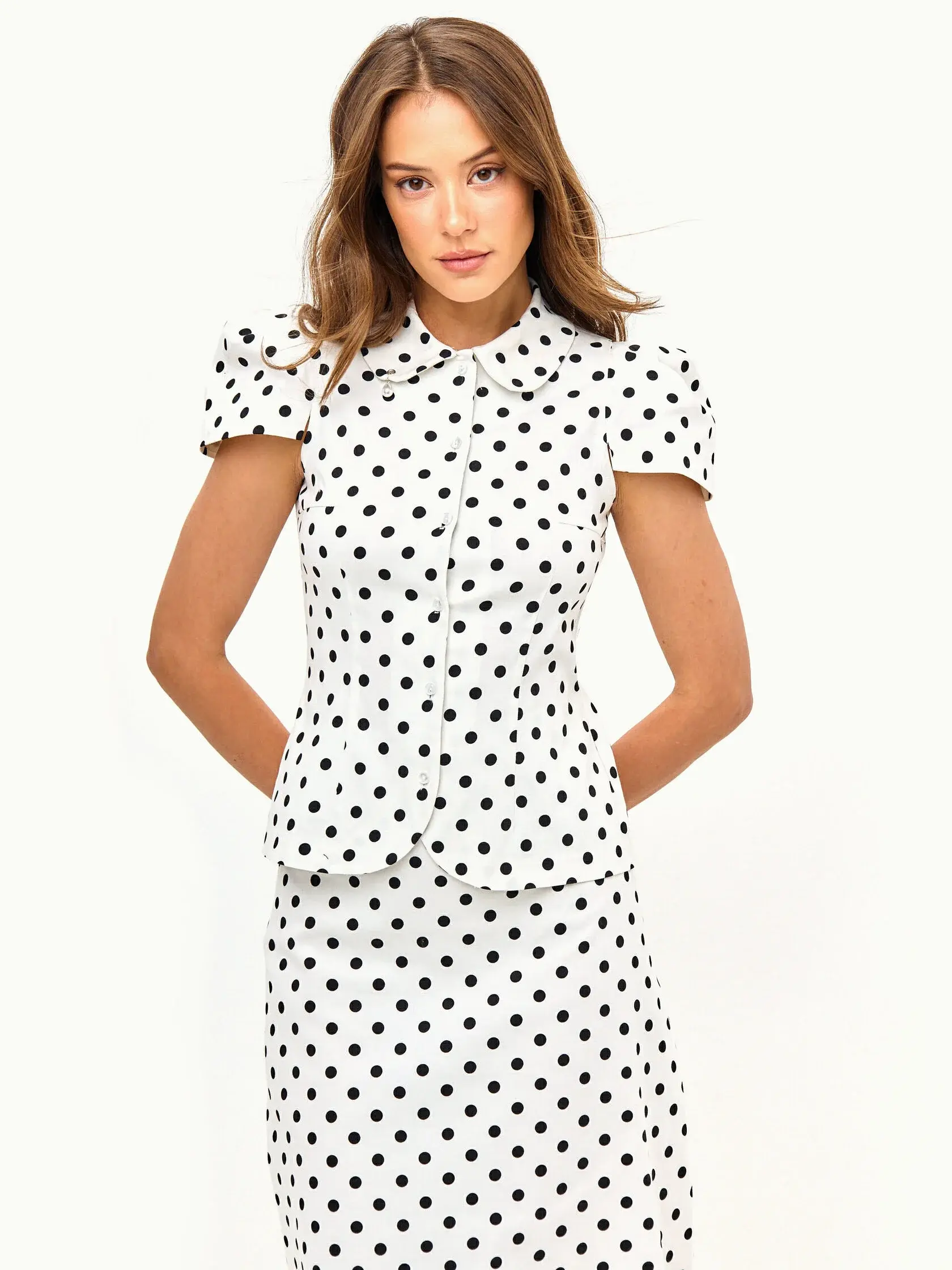
We designed and built Russian and English Tilda stores, with product pages, catalogue navigation and checkout under a shared visual identity. We connected the payment flows required for the two operations, including Stripe for international customers.
Product content was prepared in both languages. The local storefronts could serve different customers while the brand remained recognisable across them.
The operating layer behind the screens
RetailCRM became the common place to handle sales and customer communication. We connected it with the accounting and inventory system, and set up the handling of three currencies without combining unlike amounts in the same operational view.
We also built order-status communications, team notifications in Telegram and automatic gift-certificate generation. Subscription forms and email campaigns gave the brand a way to continue the relationship after a visit.
What changed
The initial infrastructure was assembled over two months, followed by ongoing support and development. THE U gained connected storefronts, payment flows and customer records for its two markets.
The important architectural decision was to keep the storefront connected to the sales and accounting systems. Customer history did not have to depend on a single website implementation. That gives the brand more options when the next change arrives.